







Search Results for: La Roca Estate Blueberry
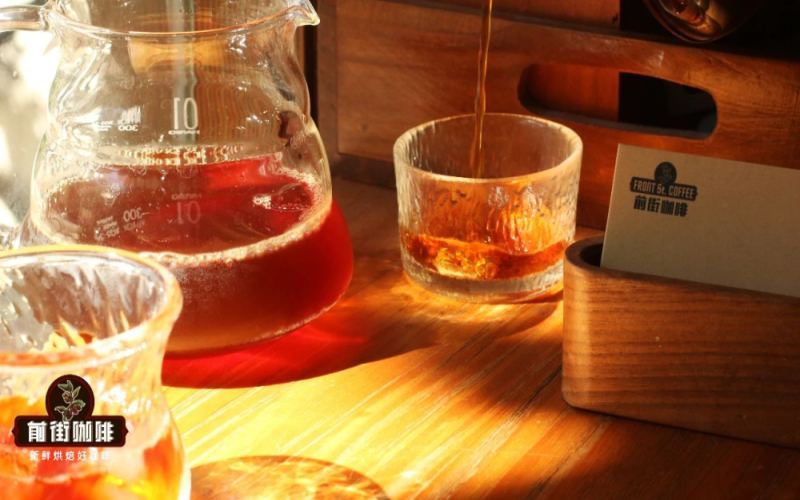
Exploring Costa Rica's Tarrazú and Hacienda La Roca Blueberry: A Complete Guide to the Flavors and Brewing of Geisha, Caturra, and Catuai Varieties
Costa Rica is a coffee origin that cannot be overlooked on the Central American coffee map, and Front Street Coffee's Costa Rica series has always been known for being "sweet as honey." This article starts with the Blueberry Coffee from the Giant Stone Estate, taking you through the terroir characteristics of the Brunca region, the meticulous process of anaerobic heavy honey processing, and an in-depth analysis of the main varieties of the Tarrazú region—the differences between Caturra and Catuai, as well as the performance of Geisha in Costa Rica. Whether you are looking for a daily drinker with a prominent sweetness or want to understand the flavor differences between varieties, this article will give you clear answers. Finally, Front Street's standard brewing parameters are included, so you can recreate a great cup of coffee at home. [more…]
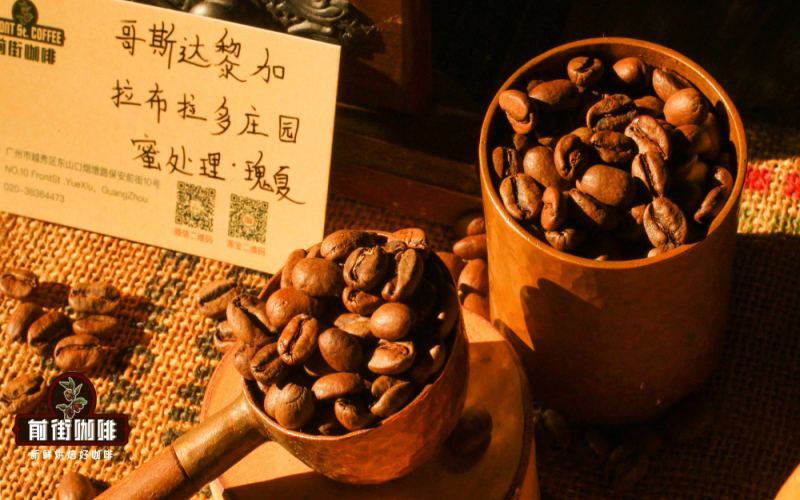
Costa Rica Coffee Brewing Guide: Honey Process Flavor Analysis and Finca El Roca Blueberry Bean Review
Costa Rican coffee occupies an important position in the Central American specialty coffee landscape thanks to its high-altitude volcanic soil and innovative processing methods. Starting from Front Street Coffee's everyday bean—the washed Tarrazú—this article sorts out Costa Rica's eight major producing regions and green bean grading standards, and focuses on analyzing how honey processing gives coffee greater sweetness. It also presents the complete profile of the recently launched Blueberry coffee beans from Hacienda El Roble, along with a three-pour hand-brewing recipe tailored to high-altitude SHB strictly hard beans, including specific parameters such as V60 dripper, water temperature, coffee-to-water ratio, and grind size, helping coffee enthusiasts recreate a rich fruity layering at home. [more…]
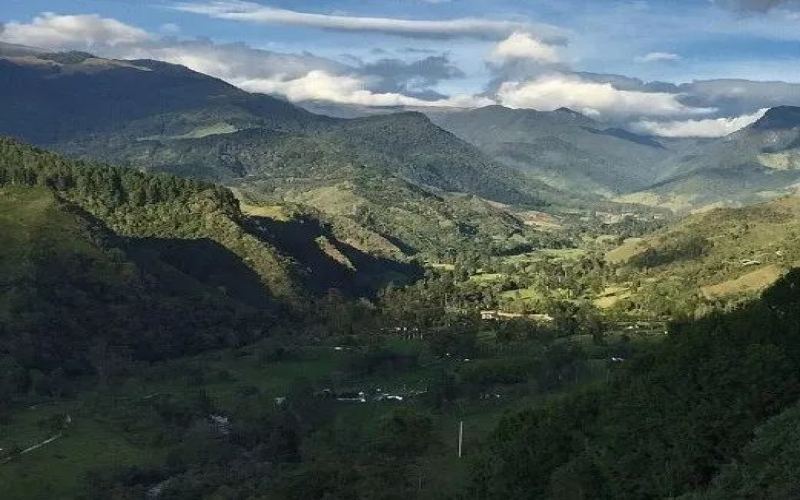
Distribution and Flavor Characteristics of Colombian Coffee Regions: An Analysis of Andean Micro-Lots and the Case of Zacatin
South America contributes over half of the world's coffee production, with Brazil and Colombia ranking as the world's first and third largest producers respectively. Unlike Brazil's large-scale plantation model, Colombia, due to its complex mountainous terrain and diverse microclimates, is dominated by small coffee estates. The best-selling Sidra, Rose Valley, and Flower Moon on Front Street Coffee's bean list come from locally renowned estates. Colombian coffee is mainly distributed in the central and western Andes mountain range, with 15 production regions divided by province nationwide. Cauca, Santander, Antioquia, Narino, Tolima, and Huila are the main forces. Huila's Finca La Divisa, Tolima's Finca La Roca, and Cauca's Finca La Esperanza are widely known, while Antioquia, though famous for its high yield, also has family businesses like Finca Zacatin that produce high-quality coffee. [more…]
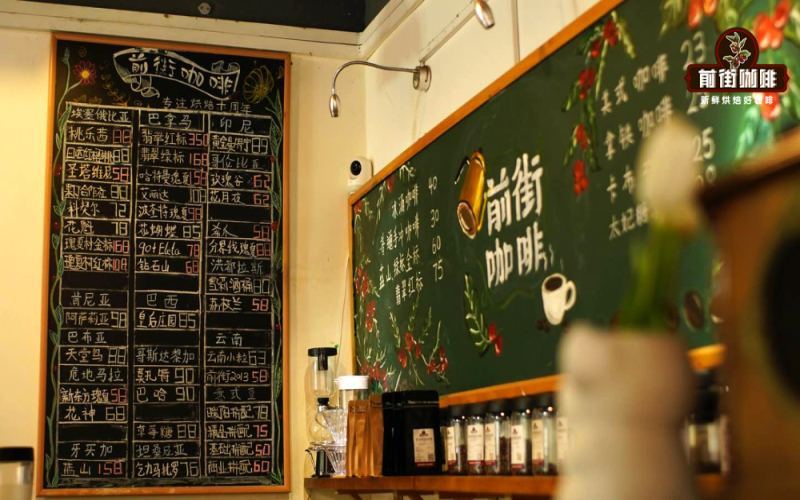
How does Costa Rican Tarrazú coffee taste? Does the honey process carry a honey-like sweetness?
Costa Rican Tarrazu coffee has always been known for its clean and refreshing flavor, making it a daily staple for many coffee lovers. This article will start with the characteristics of the growing region and the differences between washed and honey processing methods to help you understand the classic flavors of Tarrazu coffee, and compare it with the unique performance of Front Street Coffee's Finca Giant Blueberry Anaerobic Heavy Honey processed coffee. At the same time, the article also provides a detailed breakdown of the processing procedures for different honey processing methods such as white honey, yellow honey, red honey, and black honey, as well as Front Street Coffee's standard V60 brewing parameters, to help you more clearly understand the terroir charm of Costa Rican coffee. [more…]
An Analysis of the Coffee Characteristics of Colombia's Nariño Region and the Development History of the Obraje Estate
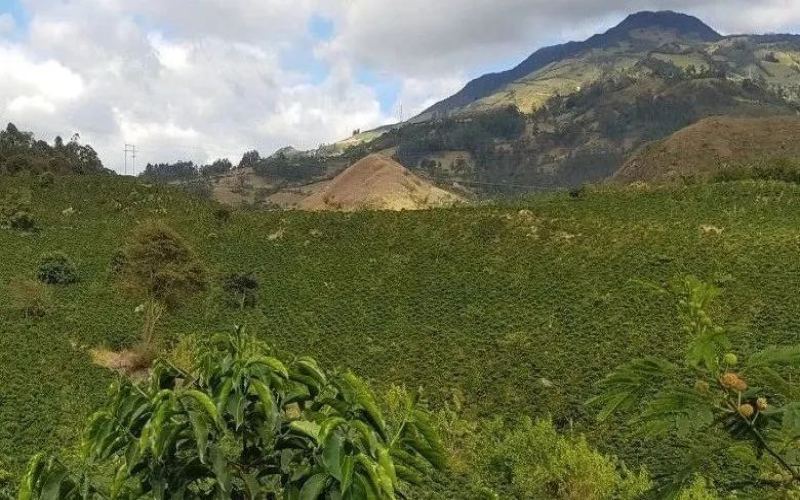
South America occupies a pivotal position in the global coffee supply, and within it, Colombia—thanks to the unique geographical and climatic conditions of the Andes—has given rise to numerous coffee-growing regions with strikingly different styles. As a rising star, the Nariño department is renowned for its complex flavors and floral aromas, while the Obraje estate is a pioneer and benchmark in this region. This article will guide you through the distribution characteristics of Colombia's coffee-growing regions, focus on analyzing the terroir advantages of the Nariño region, and review the Obraje estate's transformation from grain cultivation to COE champion. At the same time, we will also mention the Huila region representative from Front Street Coffee's everyday beans series for daily tasting reference. [more…]
What Do Coffee Experts Drink? A Roundup of Twelve Common Coffee Flavors and Pour-Over Bean Lists
Coffee has long been more than just a pick-me-up; some people are captivated by its layers of flavor, while others savor the ritual of brewing. Those who truly understand coffee often prefer the humble yet refined pour-over method, and the choice of beans is even more crucial. This article begins with pour-over equipment setup, systematically sorts through the types and flavor characteristics of twelve common coffees, and provides detailed flavor analyses of popular single-origin beans such as Front Street Yirgacheffe, Hacienda La Esmeralda Geisha, Sherry, Blue Mountain No. 1, Kenya AA, Brazil Queen's Estate Yellow Bourbon, Costa Rica Blueberry Gummy, and Panama Butterfly. Whether you are a beginner just starting out or a seasoned connoisseur seeking an upgraded daily brew, you can find the perfect cup for yourself in this bean list. [more…]
Top 10 Popular Single-Origin Pour-Over Coffee Beans: A Bean Selection Guide from Yirgacheffe to Blue Mountain Kenya
Coffee is an imported product. Some drink it for a touch of petty-bourgeois elegance, some rely on caffeine to stay alert, and some are purely captivated by its aroma. Today, with pour-over coffee all the rage, light-roast single-origin beans are best presented via pour-over. A basic pour-over setup—gooseneck kettle, dripper, filter paper, carafe, grinder, thermometer, and digital scale—can get you started for about 1,500 yuan, estimates Front Street Coffee. The beans used for pour-over are mostly outstanding single-origin coffees, and based on this Front Street Coffee has compiled ten popular beans for reference: from the white-floral and citrus notes of Ethiopia Yirgacheffe, to the legendary backstory of Panama Hacienda La Esmeralda Geisha, to the rum-barrel flavors of Honduras Sherry, the classic balance of Jamaica Blue Mountain, the hefty acidity of Kenya AA, the all-purpose character of Brazil Queen Estate Yellow Bourbon, the blueberry gummy candy notes of Costa Rica巨石 Estate, and the affordable way to taste Geisha—Flower Butterfly. [more…]
Exploring Colombia's Hacienda La Esperanza Geisha: The Sun-Dried Flavor Journey from Finca Potosí to Finca Margarita
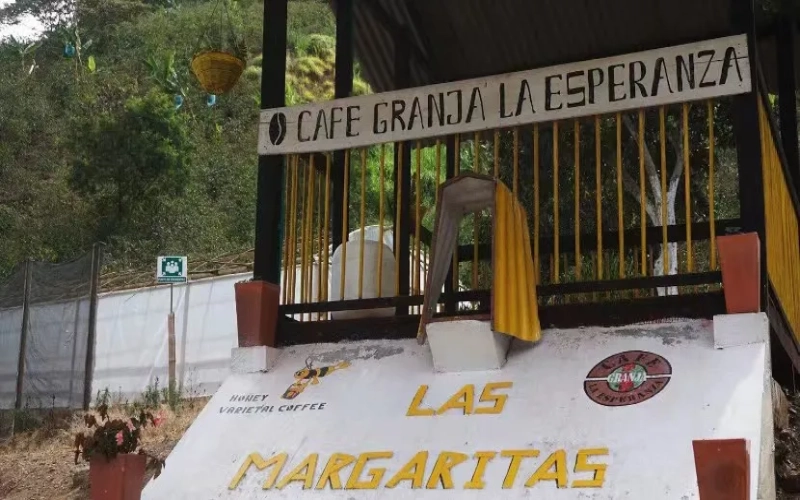
In the past decade, a coffee estate in Colombia has won more than sixty awards at major coffee competitions around the world, and is known within the industry as coffee's "rising star" — this is Finca La Esperanza. From a couple acquiring Finca Posido to the family gradually expanding to five estates, and then in 2007 leasing the La Carreta farm in Boquete, Panama, and winning the BOP championship, the rise of Finca La Esperanza has been full of legendary color. This article will take you through the historical development of Finca La Esperanza, the terroir advantages of Cauca Department, and a tasting of a sun-dried Geisha from Finca Margarita, to experience the charm of flavors interwoven with blackcurrant, blueberry, and red wine. [more…]
A Complete Guide to Hope Estate in Colombia's Cauca Valley: Flavor Profile and Origin Story of Natural Geisha Coffee
Front Street Coffee recently introduced a natural Geisha from Colombia's Cafe Granja La Esperanza, which when brewed presents aromas of blueberry and smoked plum, with layers of blackcurrant juice, orange, and berries on the palate, a rich juicy mouthfeel, and a red-wine-like finish. Cafe Granja La Esperanza occupies an important place in Colombia's coffee landscape, encompassing five sub-estates and having accumulated more than sixty awards in global competitions over the past decade. This article will trace the estate's history, plot distribution, variety experiments, and processing techniques, and analyze the source of its Geisha coffee's flavors. [more…]
Colombia Hope Estate Geisha Coffee: A Complete Interpretation from Growing Region Background to Cup Flavor
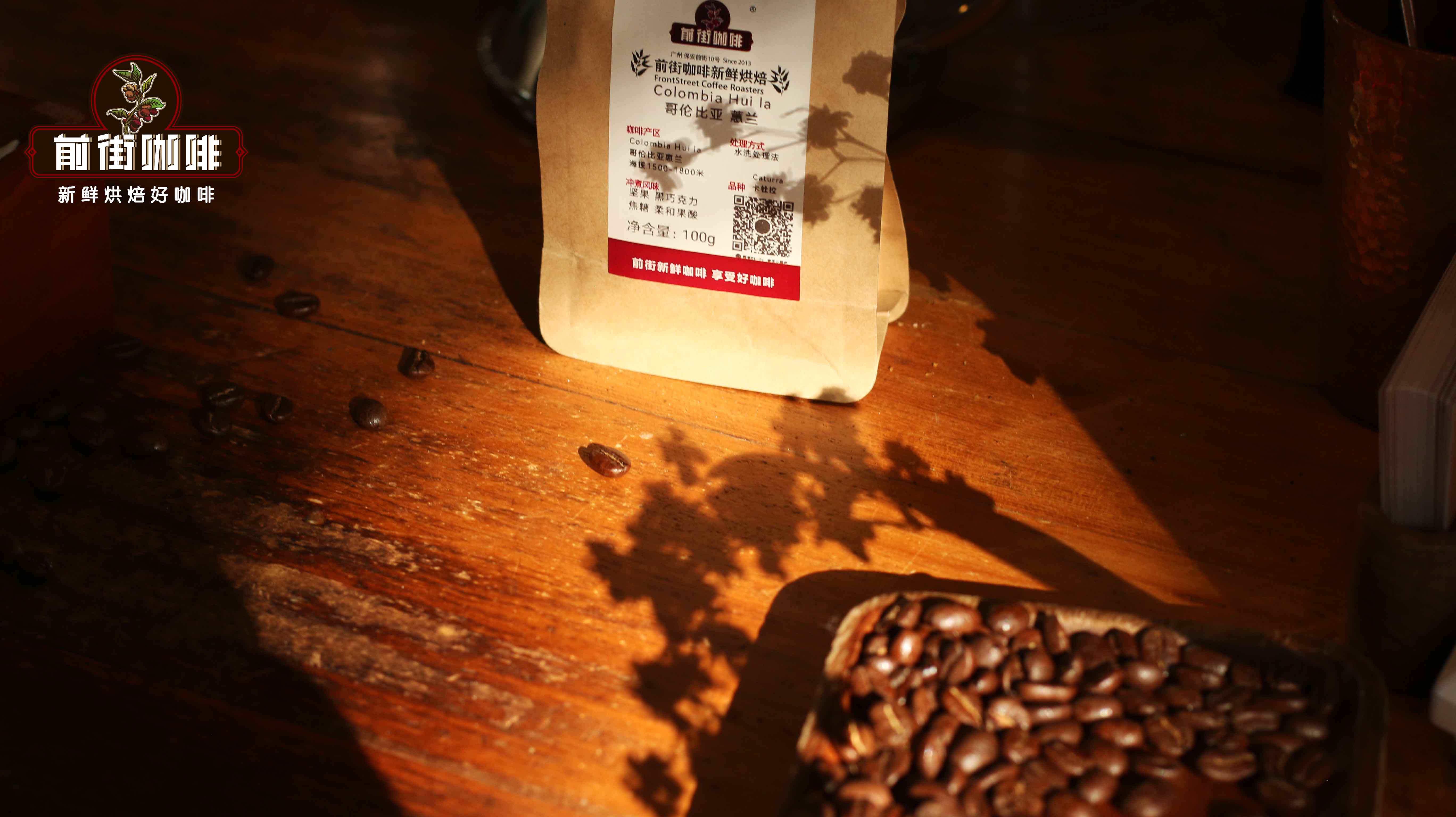
Colombia is an important producer of specialty coffee worldwide, and Hacienda La Esperanza, as one of the country's top estates, is especially notable for its Geisha variety. This article begins with a recommendation from Front Street Coffee's Huilan, then expands to cover Hacienda La Esperanza's producing region background, cultivation model, and competition honors, before focusing on the specific parameters and flavor performance of this Geisha. You will learn why it uses a light roast and washed processing, as well as the layers of pomelo, honey, blueberry, and toffee it presents from dry aroma through each stage on the palate. The article balances producing-region knowledge with tasting details, making it suitable for coffee lovers who want a deeper understanding of Colombian Geisha. [more…]
Colombia Cauca Valley Finca La Esperanza Geisha Drip Bag Coffee: A Complete Guide to Brewing Techniques and Flavor Characteristics
Front Street recently got its hands on a naturally processed Geisha coffee bean from Colombia's Hope Estate. When brewed, it presents aromas of blueberry and smoked plum, with flavors of blackcurrant juice, orange, and berries on the palate. It has a full, juicy body and a long, red-wine-like finish. This Geisha comes from Cafe Granja La Esperanza, an estate with a 76-year history that has won more than 60 awards in global competitions and owns five sub-estates. This article will take you through the planting legend of Hope Estate and, using Front Street Hope Estate Geisha drip bag coffee as an example, explain in detail the brewing steps and water temperature recommendations for drip bag coffee, helping you easily enjoy a cup of high-quality black coffee even when you're busy. [more…]
Colombia Cauca Region Finca La Esperanza Geisha Coffee Beans: A Full Analysis of the Estate Background, Terroir Conditions, and Variety Experiments
Front Street Coffee recently acquired a sun-dried Geisha coffee bean produced by Colombia's Finca La Esperanza. When brewed, it presents aromas of blueberry and smoked plum, with layers of blackcurrant juice, orange, and berry flavors on the palate, a full-bodied juicy feel, and a red-wine-like texture in the finish. This Geisha comes from a renowned, long-established estate in Colombia—Cafe Granja La Esperanza, whose Chinese name means "Hope." Over the past decade, Finca La Esperanza has accumulated more than sixty awards in major global coffee competitions, is a regular contender in Colombia's green coffee competitions, and has even crossed regions to participate in Panama's Best of Panama (BOP) competition with notable results. This article will provide a comprehensive introduction to this legendary estate from the perspectives of its background, the terroir of the Cauca growing region, the history of its variety introductions, and its processing techniques. [more…]
12 Common Coffee Varieties | What Coffee Do True Connoisseurs Drink? An Introduction to the Flavor Profiles of Yirgacheffe, Emerald Geisha, Jamaican Blue Mountain Single-Origin Beans
Coffee is an imported product, and everyone drinks coffee for different reasons. Some people are enjoying a petty bourgeois lifestyle, some are dependent on caffeine, and others simply like the taste of coffee. Front Street is here to take stock of which coffee those who know coffee must drink. Pour-over coffee is undoubtedly the most popular coffee-making method in the world today. [more…]
Panama Hacienda La Esmeralda Geisha Cold Drip Brewing Guide: Green Label Flavor Analysis and Price Reference
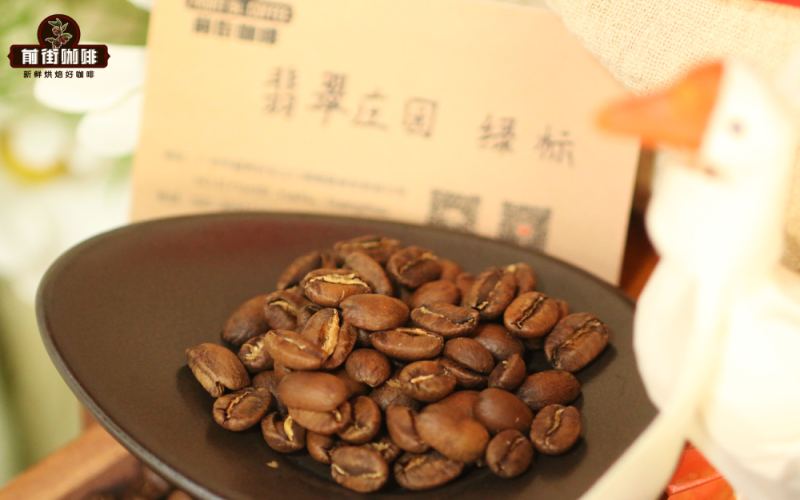
Geisha coffee is renowned worldwide for its elegant floral aroma and complex fruity notes, but its high price also deters many enthusiasts. From the perspective of Front Street, this article reviews the historical origins of the Geisha variety, the grade differences between Emerald Estate's Red Label and Green Label, and the reasons why Geisha prices remain so high. At the same time, Front Street will use Emerald Green Label Geisha as an example to demonstrate in detail the brewing parameters and operating steps for cold drip coffee, and share the white floral, orange, blueberry, and green tea flavors this bean presents under low-temperature extraction. If you are planning to buy a high-quality Geisha, or want to try making cold drip at home, this article is worth reading. [more…]
A Detailed Guide to Single-Origin Coffee Classification: A Comprehensive Analysis of Flavor Characteristics Across Major Producing Regions from Africa to the Americas and Differences in Coffee Shop Flavors
Have you ever walked into a specialty coffee shop, faced the dazzling array of single-origin coffees on the menu, and felt at a loss where to begin? Single-origin coffee refers to coffee made from beans sourced from a single origin, and it can be traced back to a specific region or even estate. This article will systematically sort through the representative single-origin coffees from major producing regions such as Africa, Central and South America, and Asia, introduce Front Street Coffee's rigorous process from roasting curve testing to cupping selection, and present the flavor descriptions of coffee beans from each region one by one, helping you find the cup that best suits your taste. [more…]
Exploring Costa Rica's Brunca Region: A Flavor Analysis of Finca Las Piedras Anaerobic Heavy Honey Process
The blueberry-flavored coffee from Costa Rica's Las Lajas Estate was once one of my favorite beans, but unfortunately it is currently out of stock. That blueberry gummy-like sweetness and the minty coolness emerging from the fermented wine finish made it a must-have coffee for summer in my mind. Where exactly is Las Lajas Estate located in Costa Rica? Why can it present such clear flavors? Today, Front Street Coffee will take everyone deep into the Brunca region to explore the story of Las Lajas Estate and analyze the unique charm of this anaerobic heavy honey-processed coffee. [more…]
Panama Hacienda La Esmeralda Green Label Geisha Cold Drip Brewing Experience and Full Analysis of Grades
Geisha coffee has long been famous for its enchanting floral aroma and hefty price tag, and among them, the Green Label Geisha from Panama's Hacienda La Esmeralda, with its classic orange-blossom honey sweetness, has become the top choice for many enthusiasts just getting started. In this issue, Front Street Coffee will introduce the origins of the Geisha variety and the reasons behind its high price, sort out the grading system of Hacienda La Esmeralda's Red Label and Green Label, and demonstrate on site how to extract Green Label Geisha using the cold drip method. From coffee dose and coffee-to-water ratio to the dripping rhythm, and then to the white floral, orange, and blueberry flavors on the palate, this one article will help you understand the whole story of this bean and how to drink it in summer. [more…]
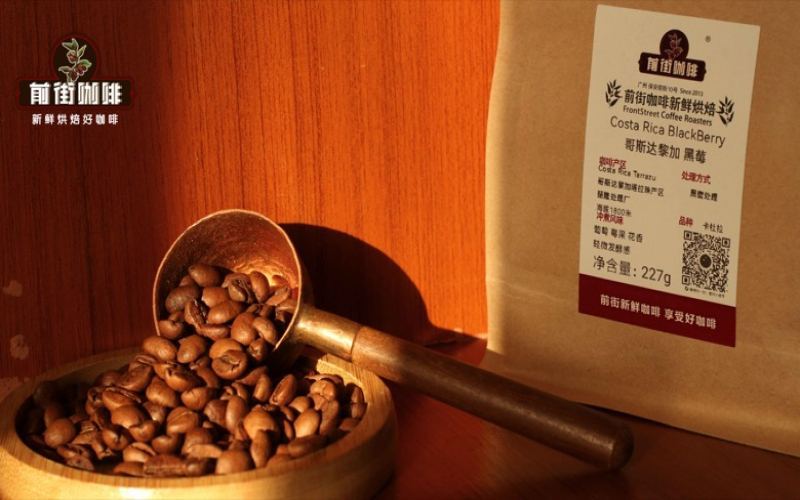
Berry-Flavored Coffee Beans: The Sweet-and-Tart Layers of Strawberry and Blueberry
Berry-flavored coffee beans have a flavor profile best described as "intertwined sweet and sour": the aromas of strawberry, blueberry, and raspberry need an acidic foundation to come across as three-dimensional. Front Street Coffee's Granja Estate Geisha has a strawberry jam aroma paired with sun-dried sweetness, making it a richer expression of berry notes; Colombia's Sidra, by contrast, has a brighter blueberry flavor, and in iced pour-over its berry character [more…]
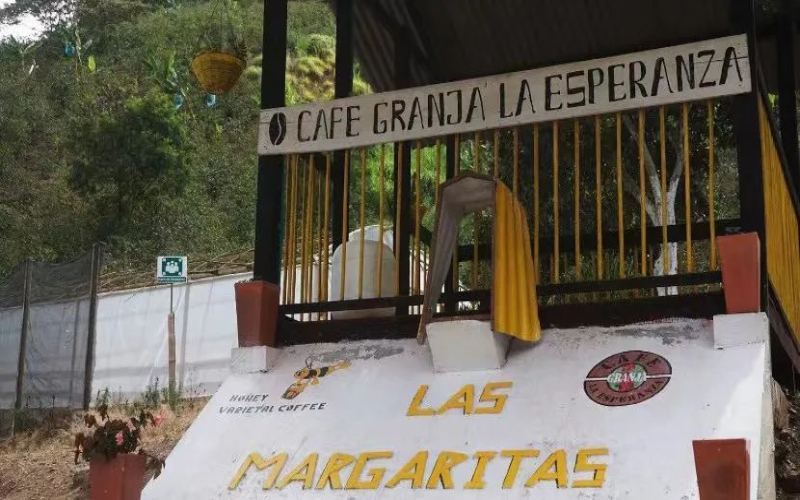
Colombia's Finca La Esperanza and Cerro Azul: A Deep Dive into a Family's Coffee Empire and Geisha Flavors
Cafe Granja La Esperanza frequently appears in coffee competitions and rankings, but it is not a single estate—rather, a coffee family brand made up of several farms. It began when the couple Blanca Ligia Correa and Juan Antonio Herrera acquired Finca Potosí, and the family gradually expanded its holdings to five estates, including Margaritas, Cerro Azul, and Hawaii. In 2007, family member Rigoberto won the BOP championship in Panama, and subsequently introduced Geisha to Colombia, opening a glorious chapter for Cafe Granja La Esperanza. This article provides a comprehensive look at this sun-dried Geisha from the high altitudes of Cauca Department, covering the family history, the terroir of the producing region, and Front Street Coffee's cupping experience. [more…]
Geisha 1931 Variety Flavor Analysis and Pour-Over Guide: Detailed Brewing Instructions for Hacienda La Esmeralda Geisha Gold Label Natural
What exactly is the connection between Geisha 1931 and Panama Geisha? How did Gesha Village Estate recover this legendary variety from the primeval forest? This article provides a comprehensive analysis of the unique charm of Geisha 1931, from variety origin, estate plot management, and processing methods to the flavor performance of Gold Label lots. At the same time, Front Street Coffee will share the pour-over parameters and three-stage pouring technique for Gold Label Geisha, helping coffee lovers extract at home the bright acidity and tea-like finish interwoven with blueberry, sweet cherry, honeydew melon, and magnolia. [more…]